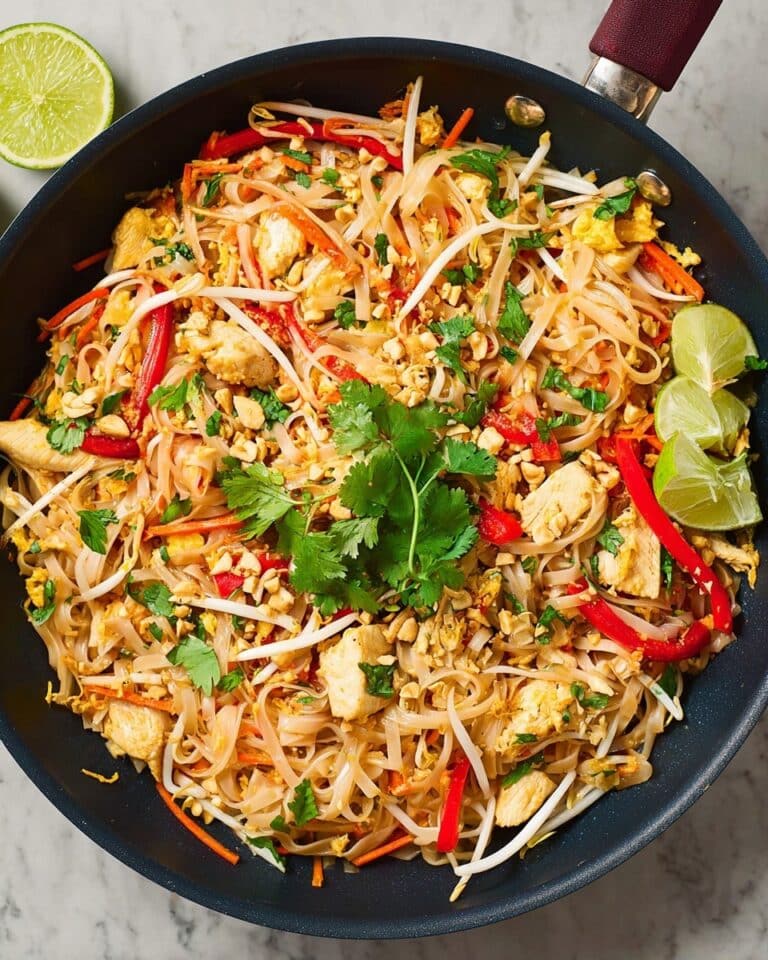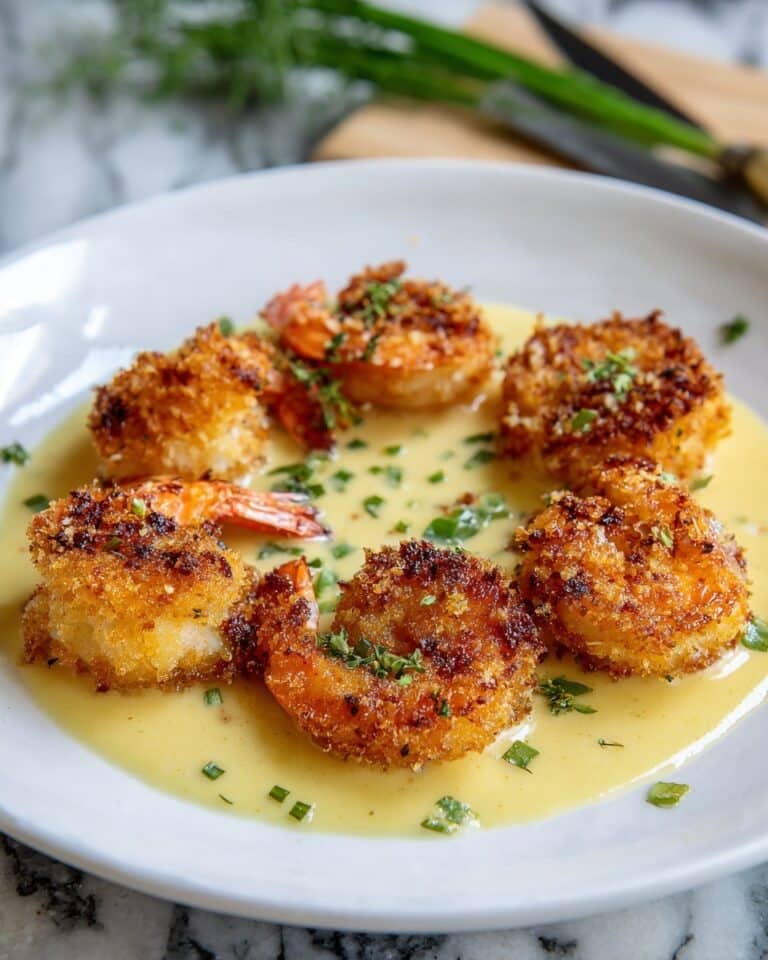
Shrimp and Glass Noodles Recipe
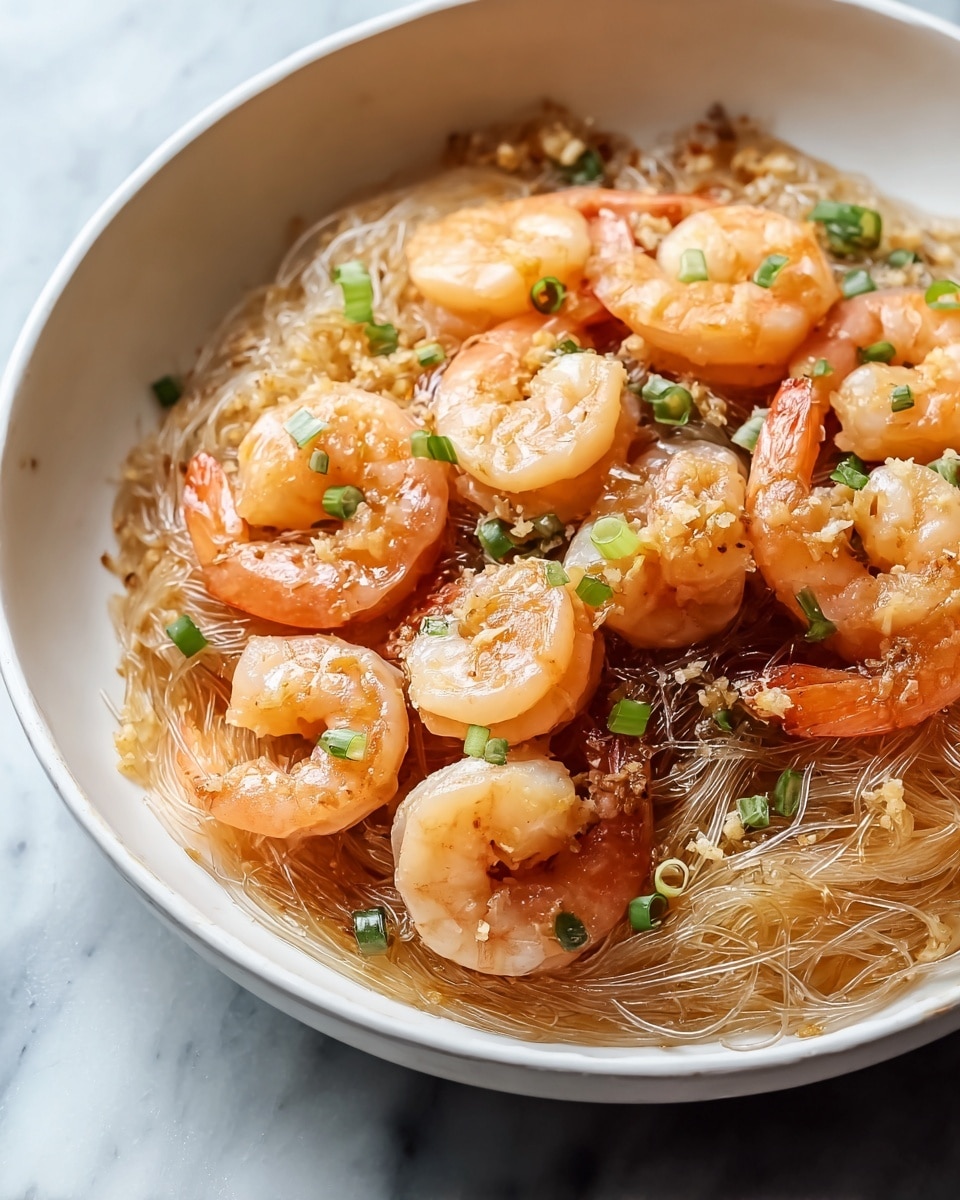
Picture this: the sizzle of garlic and onion hitting a hot skillet, releasing a mouthwatering aroma that fills your kitchen. Gleaming pink shrimp nestle amidst translucent, silky glass noodles, glazed with a savory sauce that promises a harmony of flavors with every bite. This Shrimp and Glass Noodles Recipe isn’t just a meal; it’s a quick, satisfying experience that feels both special and comforting, perfect for those busy nights when you crave something delicious without spending hours cooking.
Why You’ll Love This Shrimp and Glass Noodles Recipe
- Ready in 30 minutes: Perfect for weeknight dinners when time is short but your appetite is big.
- Uses simple ingredients: You’ll find everything easily at your local grocery store or pantry.
- Perfect for beginners: Easy-to-follow steps that anyone can master, even if you rarely cook.
- Impressive presentation: The glossy noodles and vibrant shrimp make this dish look as good as it tastes.
- Customizable: From veggies to spices, you can tailor this recipe to your personal cravings and pantry staples.
Why This Shrimp and Glass Noodles Recipe Works
This recipe shines because of the balance between textures and flavors. The glass noodles soak up just enough sauce to be tender and flavorful without becoming mushy. Cooking shrimp just until they turn pink keeps them juicy and tender, while the combination of garlic, onion, soy sauce, and oyster sauce creates a deep, savory umami that will make you swoon. The quick stir-fry technique locks in freshness while allowing the broth to infuse the noodles beautifully, creating a dish that’s both light and satisfyingly rich.
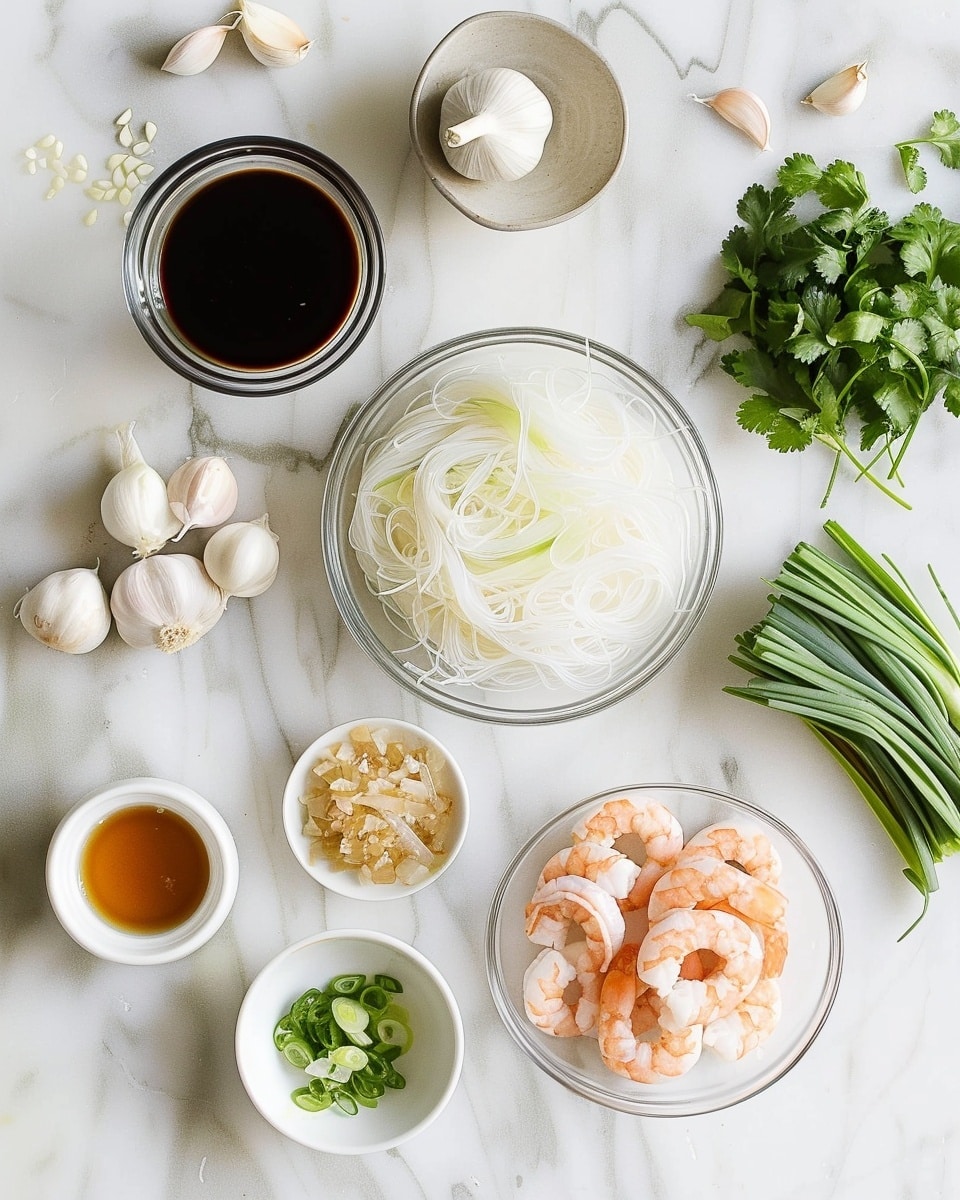
Ingredients You’ll Need
These humble ingredients come together effortlessly to create an unforgettable stir-fry. Each component plays a vital role in building layers of flavor and texture.
- Glass noodles (200g/7 oz): Mung bean vermicelli that absorbs flavors and provides a delightfully slippery texture.
- Raw shrimp (300g/10 oz): Peeled and deveined – the star protein that cooks quickly and adds a sweet brininess.
- Vegetable oil (3 tbsp): For stir-frying and achieving that perfect sear.
- Garlic (4 cloves, minced): Adds aroma and depth with every sizzle.
- Onion (1 small, sliced): Provides a subtle sweetness and crunch.
- Soy sauce (2 tbsp): Brings salty umami richness to the dish.
- Oyster sauce (1 tbsp): Adds savory complexity and a touch of sweetness.
- Sugar (1 tsp): Balances the salty and savory flavors, rounding the dish.
- Chicken or vegetable broth (1 cup): Weaves a flavorful base that keeps the noodles from drying out.
- Green onions (2 stalks, chopped): For fresh, bright oniony notes.
- Fresh cilantro (optional): Adds a pop of herbal zest if you love a bit of greenery.
Ingredient Substitutions & Tips
- Glass noodles: You can swap mung bean vermicelli for rice noodles or thin spaghetti in a pinch, but adjust soaking and cooking times.
- Shrimp: Substitute with scallops, firm white fish, or even tofu for a vegetarian twist.
- Oyster sauce: Use hoisin sauce or mushroom sauce for a vegetarian version with similarly rich flavor.
- Chicken broth: Vegetable broth works great for a plant-based approach or use water plus a dash of soy sauce if broth is unavailable.
👨🍳 Pro Tips for Perfect Results
- Tip 1: Soak glass noodles in warm water just until softened to avoid mushiness when cooked.
- Tip 2: Use fresh shrimp for the best texture and sweetness, but frozen works fine if thawed completely.
- Tip 3: Stir-fry on medium-high heat to quickly cook shrimp and lock in juicy flavor without overcooking.
- Tip 4: Don’t skip the broth—it keeps everything moist and infuses the noodles with flavor.
- Tip 5: Adjust soy and oyster sauce amounts to your taste for saltiness and umami punch.
How to Make Shrimp and Glass Noodles Recipe
Step 1: Soak the Glass Noodles
Start by soaking your glass noodles in warm water for about 10 minutes until they become soft and pliable. This pre-softening ensures they’ll cook evenly and absorb the delicious sauce perfectly without becoming sticky.
💡 Pro Tip: Use just enough warm water to cover the noodles, and gently separate them with your fingers while soaking to prevent clumps.
Step 2: Heat Oil and Sauté Aromatics
Heat vegetable oil in a large skillet or wok over medium-high heat. Toss in minced garlic and sliced onions, stirring until the garlic is golden and fragrant and the onions have softened into sweetness—this is where the magic starts.
💡 Pro Tip: Keep the heat up but watch closely to avoid burnt garlic, as that will add bitterness.
Step 3: Cook the Shrimp
Add your shrimp to the skillet and cook, stirring occasionally, until they turn an opaque pink, about 2 to 3 minutes. Shrimp cook quickly, so stay close to avoid rubbery bites.
💡 Pro Tip: Don’t crowd the pan; if needed, cook shrimp in batches to ensure even cooking and a nice sear.
Step 4: Add Sauces and Broth
Pour in the soy sauce, oyster sauce, sugar, and chicken or vegetable broth. Stir well to combine all flavors into a fragrant, savory sauce ready to soak into the noodles.
💡 Pro Tip: Taste the sauce before adding noodles to adjust saltiness and sweetness to your liking.
Step 5: Toss in the Glass Noodles and Green Onions
Drain your soaked noodles and add them to the skillet, tossing gently for 2 to 3 minutes so they soak up the sauce and warm through. Finish by stirring in chopped green onions for a fresh punch.
💡 Pro Tip: Use tongs or chopsticks to toss gently and keep noodles intact and glossy.
Step 6: Garnish and Serve
Remove from heat and garnish with freshly chopped cilantro if you like a burst of herby aroma. Serve immediately to enjoy the textures and flavors at their peak.
💡 Pro Tip: Serve with lime wedges on the side for a fresh citrus kick that brightens the dish beautifully.
Common Mistakes to Avoid
Learn from these common pitfalls:
- Overcooking the shrimp: It turns rubbery and tough instead of tender and juicy.
- Soaking noodles too long: Leads to mushy or clumpy noodles once cooked.
- Using too high heat: Can burn garlic and onions, adding bitterness.
- Skipping the broth: You’ll miss the moist, flavorful base that keeps noodles from drying out.
- Adding noodles before sauce: Results in uneven flavor absorption and dry spots.
- Neglecting to taste and adjust seasoning: Could leave the dish too salty or bland.
Delicious Variations to Try
Once you’ve mastered the classic Shrimp and Glass Noodles Recipe, why not get creative?
Spicy Sichuan Twist
Add chili oil and a pinch of Sichuan peppercorn powder for a numbing, spicy kick that pairs beautifully with the shrimp’s sweetness.
Thai-Inspired Coconut Version
Swap broth for coconut milk and stir in red curry paste to bring creamy, fragrant warmth to every strand of noodle.
Vegetable Medley Boost
Toss in sliced bell peppers, snap peas, and shredded carrots for a colorful crunch and extra nutrients.
Garlic Butter Shrimp
Use garlic butter instead of vegetable oil and finish with a squeeze of lemon for a luxurious, rich flavor profile.
Peanut Sauce Delight
Add a spoonful of peanut butter and a dash of lime juice to the sauce for a nutty, tangy twist that’s addictive.
Miso Umami Upgrade
Mix a teaspoon of white miso paste into the broth for an earthy depth that enhances the overall savoriness.
How to Serve Shrimp and Glass Noodles Recipe
Garnishes
Fresh cilantro, sliced green onions, and a sprinkle of toasted sesame seeds uplift the presentation and add delightful textures.
Side Dishes
Pair with a crisp Asian cucumber salad, steamed bok choy, or a simple miso soup to round out your meal with freshness and balance.
Creative Ways to Present
Serve in individual bowls topped with lime wedges for guests to customize acidity, or layer in lettuce cups for a fun taco-style twist perfect for gatherings.
Make Ahead and Storage
Storing Leftovers
Cool leftovers to room temperature, then transfer to an airtight container and refrigerate for up to 2 days. Noodles may absorb more sauce overnight, so stir gently before reheating.
Freezing
Freezing is not recommended as glass noodles can become mushy, and shrimp texture may degrade upon thawing. It’s best enjoyed fresh.
Reheating
Reheat gently in a skillet over low heat, adding a splash of broth or water to loosen and refresh the noodles. Avoid microwave reheating to retain texture.
FAQs
Can I use dried shrimp instead of fresh?
Fresh or frozen shrimp are best for texture and flavor in this recipe. Dried shrimp may be too intense and chewy.
Are glass noodles gluten-free?
Yes, glass noodles made from mung bean starch are naturally gluten-free, making this recipe suitable for gluten-sensitive diets.
Can I make this recipe vegetarian?
Absolutely! Replace shrimp with firm tofu or mushrooms and use vegetable broth and vegetarian oyster sauce alternatives.
What type of oyster sauce should I use?
A good-quality oyster sauce with balanced sweetness and umami works best. Vegetarian versions are available if needed.
Should I peel and devein shrimp before cooking?
Yes, peeled and deveined shrimp ensure a cleaner look and better texture in the dish.
How do I prevent the shrimp from overcooking?
Cook shrimp just until they turn pink and opaque, usually 2-3 minutes, and remove from heat promptly.
Can I prepare parts of this recipe ahead of time?
You can soak noodles and prep aromatics ahead, but stir-fry should be done fresh for optimal texture.
Is this recipe spicy?
The base recipe is mild but easy to spice up with chili flakes, fresh chilies, or chili oil if desired.
Final Thoughts
This Shrimp and Glass Noodles Recipe is one of those rare dishes that feels both simple and special, perfect for any occasion. Whether it’s a weeknight dinner or a comforting treat, the harmonious blend of tender shrimp, silky noodles, and savory sauce will have you coming back for seconds — and thirds! The ease and elegance packed into this single skillet meal are truly a celebration of flavors and textures.
Have you tried this Shrimp and Glass Noodles Recipe? I’d love to hear how it turned out! Leave a comment below. If you loved this recipe, please share it with friends and family. Happy cooking! 🍤🍜
PrintShrimp and Glass Noodles Recipe
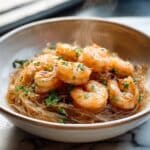
A flavorful and quick Shrimp and Glass Noodles stir-fry featuring tender shrimp, aromatic garlic and onion, and glass noodles tossed in a savory soy-oyster sauce mixture. Perfect for a light yet satisfying meal.
- Prep Time: 15 minutes
- Cook Time: 10 minutes
- Total Time: 25 minutes
- Yield: 4 servings 1x
- Category: Main Course
- Method: Stovetop
- Cuisine: Asian
Ingredients
Glass Noodles
- 200g (7 oz) glass noodles (mung bean vermicelli)
Shrimp and Sauce
- 300g (10 oz) raw shrimp, peeled and deveined
- 3 tablespoons vegetable oil
- 4 cloves garlic, minced
- 1 small onion, sliced
- 2 tablespoons soy sauce
- 1 tablespoon oyster sauce
- 1 teaspoon sugar
- 1 cup chicken or vegetable broth
- 2 stalks green onions, chopped
Garnish
- Fresh cilantro (optional), for garnish
Instructions
- Soak noodles: Soak the glass noodles in warm water for about 10 minutes until they become softened. Drain thoroughly and set aside to prepare for stir-frying.
- Prepare aromatics: Heat the vegetable oil in a large skillet or wok over medium-high heat. Add the minced garlic and sliced onion, stir-frying until fragrant and the onions are softened, about 2-3 minutes.
- Cook shrimp: Add the peeled and deveined shrimp to the skillet. Cook for 2-3 minutes, stirring occasionally until the shrimp turns pink and is opaque, indicating it’s fully cooked.
- Add sauces and broth: Pour in the soy sauce, oyster sauce, sugar, and chicken or vegetable broth. Stir well to combine all the flavors and bring the sauce to a gentle simmer.
- Toss noodles: Add the soaked glass noodles to the skillet and toss everything together. Cook for 2-3 minutes until the noodles absorb the sauce and are heated through evenly.
- Add green onions: Stir in the chopped green onions to add freshness and a mild sharpness to the dish.
- Serve: Remove the skillet from heat, garnish with fresh cilantro if desired, and serve immediately while hot for best flavor and texture.
Notes
- Use vegetable or peanut oil for stir-frying to prevent burning and add slight nuttiness.
- You can substitute shrimp with chicken or tofu for a variation.
- Adjust soy sauce and oyster sauce quantities based on preference for saltiness.
- Soaking noodles longer will make them softer but avoid over-soaking to prevent mushiness.
- Serve with lime wedges for a fresh acidic contrast if desired.
Keywords: shrimp stir-fry, glass noodles, mung bean vermicelli, quick dinner, Asian shrimp recipe