Gochujang Pasta Recipe
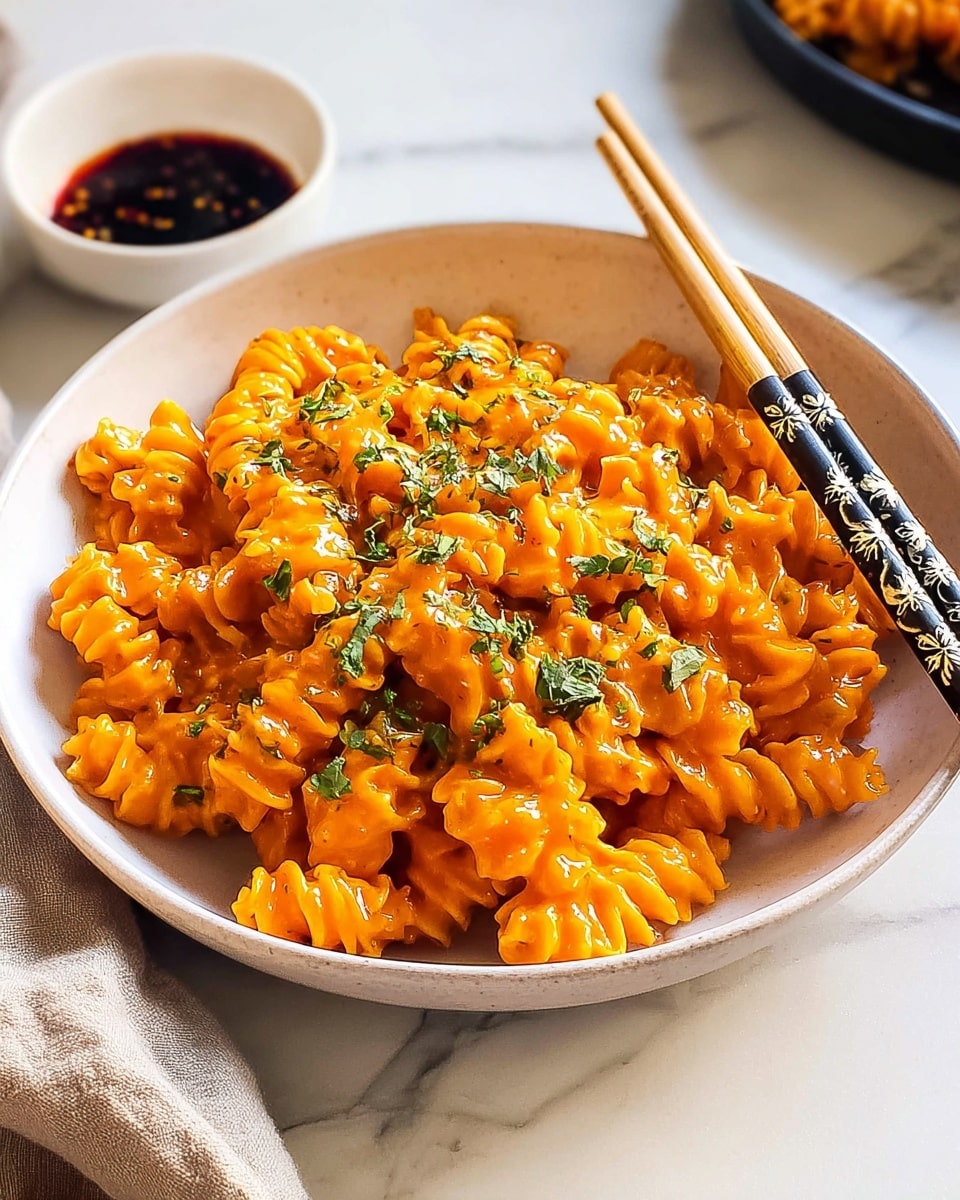
Picture this: a steaming plate of pasta glistening with a glossy, spicy-red sauce that beckons you closer. The intoxicating aroma of garlic melting into creamy butter dances through the kitchen, mingling with the subtle heat of Gochujang that promises bursts of bold flavor with every bite. It’s quick, vibrant, and utterly comforting—like a warm hug on a hectic day. This Gochujang Pasta Recipe is your new secret weapon for turning simple ingredients into an unforgettable meal that’s as exciting to make as it is to eat.
Why You’ll Love This Gochujang Pasta Recipe
- Ready in 15 minutes: Perfect for when time is tight but you crave something incredible that feels homemade.
- Uses simple ingredients: You likely have most of them already in your pantry, making it super easy to throw together.
- Perfect for beginners: No complicated techniques here—just straightforward steps that anyone can follow.
- Impressive presentation: The vibrant red sauce paired with freshly chopped parsley looks like a dish from a stylish restaurant.
- Customizable: Whether you like it creamier, spicier, or with a twist of cheese varieties, this recipe adapts effortlessly.
Why This Gochujang Pasta Recipe Works
This Gochujang Pasta Recipe shines because of a few key elements that fuse comfort with boldness perfectly. First, using salted butter and olive oil together creates a luscious base that carries the garlic and Gochujang flavor beautifully without overwhelming the palate. Secondly, the heavy cream adds a silky texture that mellows the chili’s heat while keeping the sauce irresistibly rich. Finally, the choice of pasta—like Bucatini or any sturdy shape—holds the sauce wonderfully, ensuring every forkful bursts with flavor and satisfying bite.
Ingredients You’ll Need
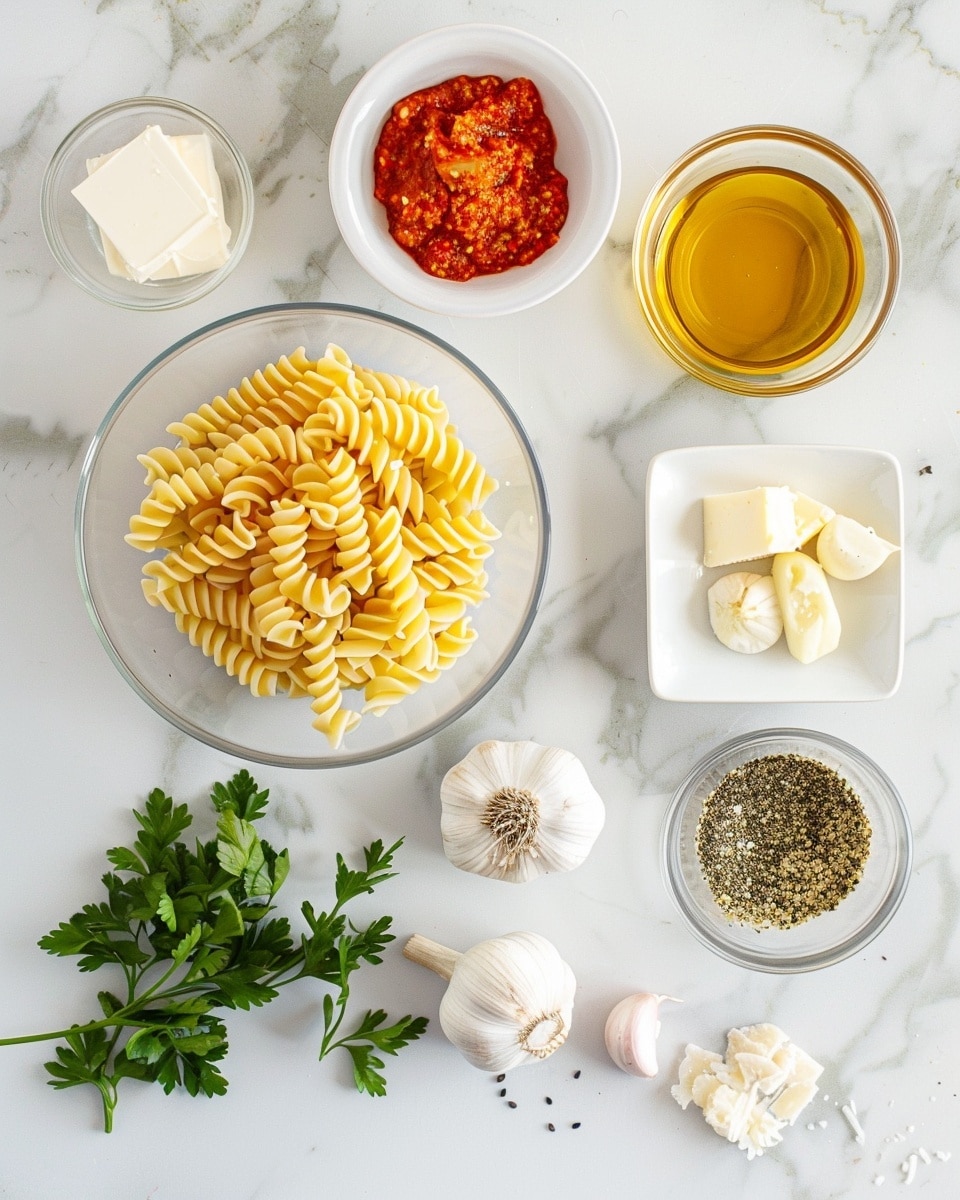
These ingredients are all about simplicity and depth. Each element brings a unique touch that transforms humble pasta into a sensational dish.
- 8 oz dry Bucatini pasta (or your favorite shape): Thick tubes perfect for holding creamy sauce in every nook.
- 2 tablespoons Gochujang: The star ingredient providing that signature Korean chili paste’s spicy, sweet, and umami-packed kick.
- 3 cloves garlic, minced: Adds aromatic warmth and flavor depth.
- 4 tablespoons salted butter: Enriches the sauce with creaminess and a touch of saltiness.
- 2 tablespoons olive oil: Helps sauté garlic gently and balances richness.
- ½ cup shredded Parmesan or cheddar cheese: Melts into the sauce, enhancing both texture and taste.
- ½ cup heavy cream: Creates silky smoothness that tames the spiciness.
- ½ teaspoon freshly ground black pepper (optional): Adds slight heat and complexity.
- 2 teaspoons chopped parsley (optional garnish): Brings fresh color and herbaceous brightness.
Ingredient Substitutions & Tips
- Gochujang: If you can’t find this Korean chili paste, try mixing chili garlic sauce with a touch of miso paste or a splash of soy sauce for a somewhat similar umami and heat.
- Bucatini pasta: Feel free to swap for spaghetti, fettuccine, or penne; just choose a noodle that can hold the luscious sauce.
- Heavy cream: For a lighter version, use half-and-half or whole milk, but expect a less rich texture.
- Parmesan cheese: Cheddar adds a sharper flavor, but you can also try Asiago or Pecorino Romano for unique twists.
👨🍳 Pro Tips for Perfect Results
- Prep your garlic ahead: Mince or press it before you start to keep the cooking flow smooth.
- Don’t overcook your pasta: Aim for al dente to keep a delightful bite that contrasts the silky sauce.
- Use good quality Gochujang: It makes a world of difference in flavor depth and balance.
- Toast the pasta water: Salt generously so the pasta itself gets flavorful from within.
- Stir continuously when adding cheese: Helps the sauce thicken evenly and prevents clumps.
How to Make Gochujang Pasta Recipe
Step 1: Bring the Pasta to Life
Start by bringing a large pot of water to a rolling boil. Salt the water generously—this seasons the pasta inside out. Add your Bucatini or preferred pasta shape and cook according to package instructions, usually 7-12 minutes, until al dente. Drain and set aside, reserving a little pasta water if you want to loosen the sauce later.
💡 Pro Tip: Toss your drained pasta with a drizzle of olive oil to keep strands from sticking while you prepare the sauce.
Step 2: Build the Flavor Base
Heat the butter and olive oil together in a sauté pan over medium heat. Add the minced garlic (and freshly ground black pepper if using). Sauté just until fragrant—about 30 to 60 seconds. Be vigilant to avoid burning the garlic; that bitter char will overpower the sauce.
💡 Pro Tip: A gentle sizzle means the fat is hot enough to bloom the garlic’s aroma perfectly.
Step 3: Bring on the Gochujang Cream Sauce
Reduce the heat slightly, then stir in the vibrant Gochujang paste. Pour in the heavy cream and sprinkle the shredded cheese on top. Stir gently but continuously for 1-2 minutes until the sauce thickens slightly and turns glossy, coating your spoon with a luscious sheen.
💡 Pro Tip: If the sauce gets too thick, add a splash of reserved pasta water to loosen it and enhance silkiness.
Step 4: Marry the Pasta and Sauce
Introduce the cooked pasta to the creamy, spicy sauce. Toss rigorously to ensure every curve and nook of your pasta is drenched in that bold red goodness. This is where your dish truly comes alive.
💡 Pro Tip: Warm your serving plates beforehand to keep the pasta piping hot when plated.
Step 5: Garnish and Serve
Transfer the Gochujang Pasta to your plates and sprinkle with freshly chopped parsley for a pop of green freshness and subtle herbaceous notes. Dig in immediately for the best taste experience.
💡 Pro Tip: A light dusting of extra cheese or a squeeze of lemon juice can add extra brightness if desired.
Common Mistakes to Avoid
Learn from these common pitfalls:
- Overcooking pasta: Leads to mushy texture that won’t hold sauce well.
- Burning garlic: Creates bitterness that clashes with the gochujang’s sweetness.
- Using low-quality Gochujang: Results in flat or overly harsh chili flavors.
- Skipping salting pasta water: Misses an opportunity to infuse pasta with foundational flavor.
- Adding cheese too early: Can cause the sauce to become grainy or clump.
- Not stirring sauce properly: Risks uneven texture and pockets of unblended paste.
Delicious Variations to Try
Once you’ve mastered the classic Gochujang Pasta Recipe, these twists will keep things exciting:
Spicy Kimchi Twist
Add chopped kimchi to the sauce for tangy crunch and an extra layer of Korean flair that complements the Gochujang’s heat beautifully.
Shrimp and Garlic
Quickly sauté shrimp in the initial butter and olive oil stage for a protein-packed, savory upgrade that adds a delightful oceanic touch.
Mushroom Medley
Saute a blend of shiitake, cremini, or button mushrooms to the sauce for earthy notes that pair amazingly with the creamy chili flavor.
Cheesy Four-Cheese Blend
Mix Parmesan with mozzarella, fontina, and cheddar for an ultra-rich, gooey sauce that pumps up comfort food vibes big time.
Vegetarian Power Bowl
Serve over roasted veggies like bell peppers and zucchini for added texture and a colorful, wholesome meal.
Herb-Infused Lemon Zest
Finish with a touch of lemon zest and fresh basil or cilantro to brighten the dish and offer contrast to creamy heat.
How to Serve Gochujang Pasta Recipe
Garnishes
Sprinkle chopped fresh parsley or green onions for freshness. A little extra grated Parmesan or toasted sesame seeds adds welcome texture and umami layers.
Side Dishes
Pairs beautifully with crisp cucumber salad, steamed bok choy, or simple roasted broccoli to balance the creamy and spicy pasta.
Creative Ways to Present
Serve in deep bowls for cozy family-style meals or plate with a twist of lemon wedge and microgreens for an elegant, restaurant-worthy presentation.
Make Ahead and Storage
Storing Leftovers
Place cooled Gochujang pasta in an airtight container and refrigerate for up to 3 days. The flavors deepen, but the pasta might absorb sauce, so reheat gently.
Freezing
While possible, freezing creamy pasta sauces can affect texture. If you must freeze, use a freezer-safe container and thaw slowly in the fridge before reheating.
Reheating
Warm gently over low heat on the stove, adding a splash of milk or cream to restore the sauce’s silky texture. Microwave reheating in short bursts with stirring also works well.
FAQs
Can I use a different pasta shape for this Gochujang Pasta Recipe?
Absolutely! Bucatini is great, but spaghetti, penne, or even rigatoni work wonderfully. Just choose a shape that holds sauce well.
Is Gochujang very spicy?
Gochujang has a moderate heat with a delicious balance of sweetness and umami. Adjust the amount based on your spice tolerance.
Can I make this recipe vegan?
Yes! Substitute butter with vegan margarine, use plant-based cream and cheese alternatives, and ensure the Gochujang paste is vegan-friendly.
What can I do if I don’t have heavy cream?
Half-and-half or whole milk can work in a pinch, but the sauce will be lighter and less creamy.
How do I prevent the cheese from clumping in the sauce?
Add cheese gradually off direct heat and stir continuously to ensure smooth melting.
Can I prepare this sauce ahead of time?
It’s best fresh, but you can prepare the sauce base and gently reheat it with cooked pasta just before serving.
Does the pasta need to be salted before cooking?
Salting pasta water is crucial for seasoning the noodles inside and out, enhancing the overall flavor.
What wine pairs well with Gochujang pasta?
Try a slightly off-dry Riesling or a fruity Pinot Noir to complement the spicy creaminess.
Final Thoughts
I hope this Gochujang Pasta Recipe inspires you to infuse a bit of spicy, creamy magic into your weeknight dinners. It’s a dish that feels both adventurous and comfortingly familiar, perfect for those moments when you want to impress yourself as much as anyone else at the table. The marriage of Korean heat with Italian creaminess is a match made in culinary heaven.
Have you tried this Gochujang Pasta Recipe? I’d love to hear how it turned out! Leave a comment below. If you loved this recipe, please share it with friends and family. Happy cooking! 🍝
PrintGochujang Pasta Recipe
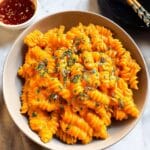
This Gochujang Pasta recipe combines the spicy, savory flavors of Korean chili paste with creamy Parmesan sauce, creating a quick and delicious fusion dish perfect for a comforting weeknight meal. With just 15 minutes and simple ingredients, you can enjoy a harmonious blend of Italian pasta and Korean spice that will delight your taste buds.
- Prep Time: 5 minutes
- Cook Time: 10 minutes
- Total Time: 15 minutes
- Yield: 4 servings 1x
- Category: Main Course
- Method: Stovetop
- Cuisine: Fusion (Korean-Italian)
- Diet: Halal
Ingredients
For the Pasta
- 8 oz dry Fusilli Corti Bucati Pasta (Bucatini Pasta) or any pasta shape you prefer
For the Sauce
- 2 tablespoons Gochujang (Korean Red Chili Pepper Paste)
- 3 cloves garlic (minced or pressed)
- 4 tablespoons salted butter
- 2 tablespoons olive oil
- ½ cup shredded Parmesan or cheddar cheese
- ½ cup heavy cream
- ½ teaspoon freshly ground black pepper (optional)
- 2 teaspoons chopped parsley (optional garnish)
Instructions
- Pasta Preparation: Bring a large pot of water to a rolling boil and optionally add salt for seasoning. Add the pasta to the boiling water and cook for 7-12 minutes, or until it reaches your preferred level of doneness. Drain the pasta and set it aside.
- Prepare the Sauce Base: Heat a sauté pan over medium heat and add the salted butter along with the olive oil. Once the butter is melted and warm, add the minced garlic and optional freshly ground black pepper. Sauté for 30 to 60 seconds until the garlic becomes fragrant but not burnt.
- Add Gochujang and Cream: Stir in the Gochujang paste, heavy cream, and shredded Parmesan or cheddar cheese into the pan. Allow the mixture to cook for 1 to 2 minutes, stirring frequently until the sauce slightly thickens and becomes smooth.
- Combine Pasta and Sauce: Add the cooked Bucatini pasta into the pan with the sauce and toss well to ensure the pasta is evenly coated with the Gochujang cream sauce.
- Serve: Transfer the pasta to serving plates, garnish with chopped fresh parsley if desired, and serve immediately while hot.
Notes
- You can use any pasta shape you prefer, though Bucatini or Fusilli Corti works best for holding the sauce.
- Adjust the amount of Gochujang based on your heat preference; start with less if you’re sensitive to spice.
- The optional black pepper adds a mild pungency complementing the chili paste.
- Fresh parsley garnish adds a bright herbal note and color contrast.
- This dish pairs wonderfully with a light salad or steamed vegetables.
Keywords: Gochujang Pasta, Korean pasta recipe, spicy pasta, creamy pasta, fusion cuisine, quick pasta recipe