
Cottage Cheese Flatbread Recipe
Picture this: a warm flatbread sizzling gently in a skillet, filling your kitchen with an irresistible, toasty aroma that invites you to gather ’round. The golden crust is speckled with tiny browned spots, promising a chewy, tender bite that’s simultaneously fluffy and substantial. Making this delightful flatbread feels like catching a secret passed down through cozy family kitchens, yet it comes together in under half an hour. This Cottage Cheese Flatbread Recipe is your new go-to for quick, comforting bread that impresses guests and soothes the soul alike.
Why You’ll Love This Cottage Cheese Flatbread Recipe
- Ready in 25 minutes: This recipe is perfect for busy days when you want fresh, warm flatbread without a long wait or complicated steps.
- Uses simple ingredients: Just cottage cheese, everyday flour, baking powder, salt, and olive oil—pantry staples that come together beautifully.
- Perfect for beginners: No yeast, no fancy techniques—just a soft dough you can handle easily and enjoy watching transform on your stove.
- Impressive presentation: Rustic, hand-shaped rounds with a golden brown finish that look handmade and inviting, perfect for family meals or casual entertaining.
- Customizable: Add herbs, spices, or toppings, or enjoy them plain as a versatile snack, side, or base for creative recipes.
Why This Cottage Cheese Flatbread Recipe Works
This recipe shines because it balances simplicity with flavor and texture beautifully. The cottage cheese adds moisture and tenderness, making the flatbread soft and delightfully chewy without the need for yeast or long rising times. Baking powder provides just enough lift to create a light texture, while the olive oil adds a subtle richness and a lovely golden crust as it toasts in the skillet. Resting the dough allows the flour to hydrate and the gluten to relax, making the shaping process much easier, which is key to getting that perfect rustic look and tender crumb. Altogether, these elements come together for a flatbread that’s quick, easy, and irresistibly delicious every time.

Ingredients You’ll Need
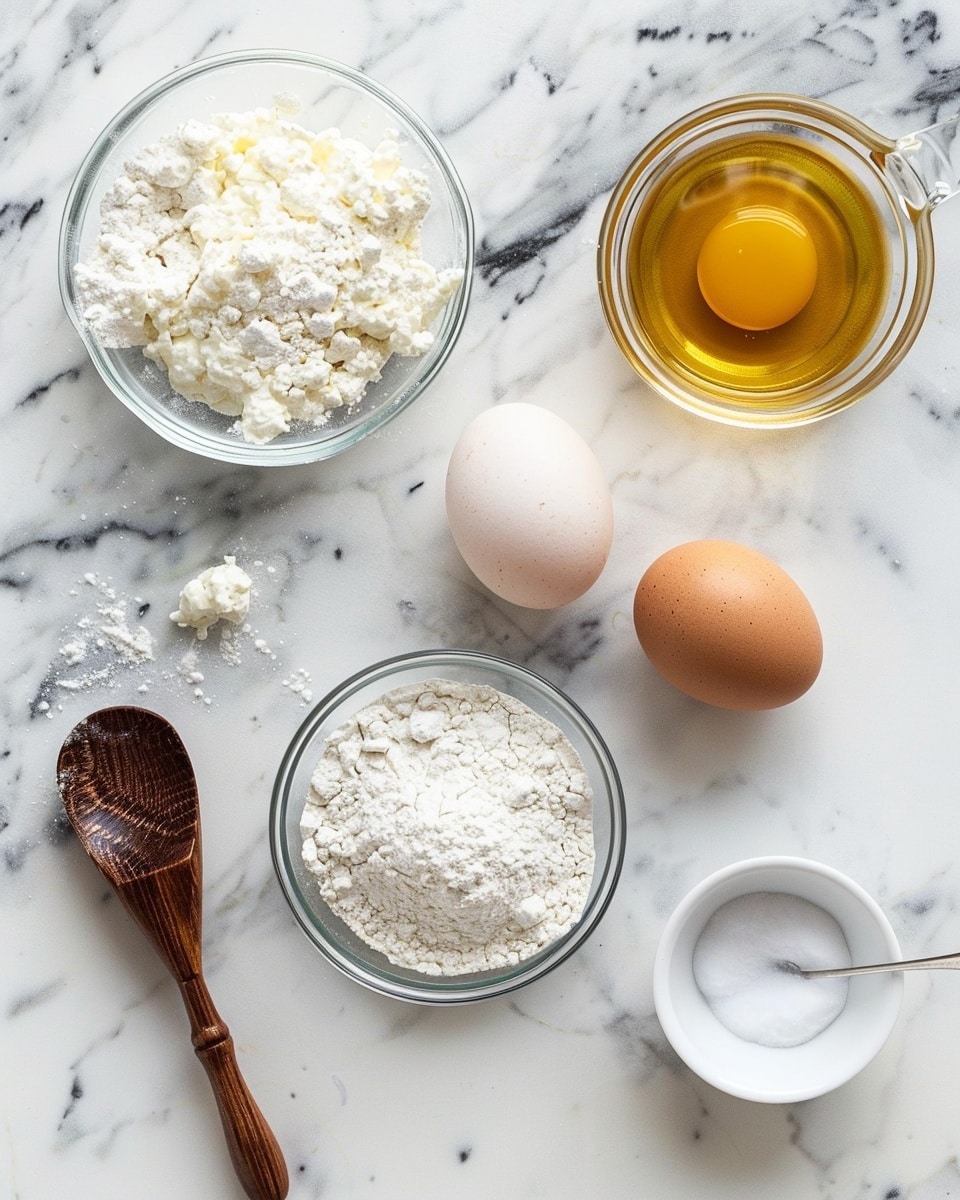
Gather these simple, wholesome ingredients that you probably already have on hand. Each one plays a starring role in creating this soft, flavorful flatbread.
- 1 Cup Cottage cheese: Adds creamy moisture and tenderness to the dough.
- 1 Cup All-purpose flour: The foundation that gives structure to the flatbread.
- 1 Tsp Baking powder: Provides gentle lift for a light, fluffy texture.
- 1/2 Tsp Salt: Enhances flavor and balances the creamy notes.
- 2 Tbsps Olive oil: Brings richness and helps form a golden crust when cooked.
- Optional: 1 Egg: Binds the dough together, adding a subtle richness and chewiness.
Ingredient Substitutions & Tips
- Cottage cheese: Try ricotta or Greek yogurt for a similar moisture and creaminess with a slightly different flavor profile.
- All-purpose flour: Whole wheat flour adds nuttiness and fiber but may yield a denser flatbread; you can also blend half white and half whole wheat.
- Baking powder: For a more natural rise, you can substitute baking soda plus a splash of lemon juice or vinegar, but adjust quantities carefully.
- Olive oil: Avocado or sunflower oil works well for cooking if you prefer a milder taste.
👨🍳 Pro Tips for Perfect Results
- Use room temperature cottage cheese: This helps the dough come together more easily and evenly.
- Don’t overmix: Stir just until combined for a tender flatbread, overworking can make it tough.
- Rest the dough: Even a short 5-10 minute rest makes shaping simpler and the texture softer.
- Cook on medium heat: Too hot and the flatbreads can burn before cooking through; too low and they won’t brown properly.
- Keep cooked flatbreads warm: Stack them under a clean towel to lock in moisture and keep them soft.
How to Make Cottage Cheese Flatbread Recipe
Step 1: Start the Dough
In a mixing bowl, combine the cottage cheese, flour, baking powder, salt, and olive oil. Mix these ingredients gently, making sure to incorporate everything without overworking the mixture. Your goal is a soft, slightly sticky dough that holds together.
💡 Pro Tip: Use a spoon or spatula to fold the flour into the cottage cheese bit by bit for easier mixing.
Step 2: Let the Dough Rest
Cover the bowl with a clean cloth and let the dough rest for 5 to 10 minutes. This short break allows the flour to soak up moisture fully and relaxes any gluten that may be forming, making the dough easier to shape and resulting in a tender bite.
💡 Pro Tip: Resting also lets the flavors meld, giving a subtle depth to your flatbread.
Step 3: Divide and Shape
After resting, divide the dough into small, palm-sized portions. Flatten each portion gently into a rough circle—no need for perfect rounds! This easygoing shaping creates rustic, inviting flatbreads and allows for even cooking.
💡 Pro Tip: If the dough feels sticky to your fingers, lightly dust your hands with flour to keep things manageable.
Step 4: Heat Your Skillet
Warm a skillet over medium heat and brush or drizzle a little olive oil to prevent sticking and enhance browning. A heavy-bottomed pan like cast iron works wonderfully for that gorgeous crust.
💡 Pro Tip: Don’t rush the heat; medium temperature is key for golden, evenly cooked flatbreads.
Step 5: Cook Each Flatbread
Place each flattened dough piece onto the hot skillet. Cook for 2-3 minutes on each side, until the surface browns deeply, the flatbread puffs slightly, and your kitchen fills with a warm, toasty scent that’s pure comfort. Watch for bubbles appearing on the surface—they’re a tasty sign of perfect cooking.
💡 Pro Tip: Press gently with a spatula if the bread puffs unevenly, helping it cook through.
Step 6: Stack and Keep Warm
As flatbreads finish cooking, stack them under a clean kitchen towel. This traps steam and keeps each one soft, tender, and ready to be devoured.
💡 Pro Tip: Serve warm—they taste at their best fresh from the pan!
Common Mistakes to Avoid
Learn from these common pitfalls to make sure your flatbreads turn out perfect every time:
- Using cold cottage cheese: Cold ingredients can make the dough tough and harder to combine evenly.
- Overmixing the dough: Too much mixing develops gluten, leading to dense, chewy bread rather than tender and soft flatbreads.
- Skipping the rest: Not letting the dough rest makes it difficult to shape and can cause tougher texture.
- Cooking on high heat: High heat can burn the outside before the inside cooks through fully.
- Not oiling the skillet: This can cause sticking and uneven browning, losing that perfect crust.
- Stacking flatbreads too long without covering: They can dry out and lose their soft texture.
Delicious Variations to Try
Once you’re comfortable with the classic Cottage Cheese Flatbread Recipe, it’s time to get creative!
Herb & Garlic Flatbread
Add chopped fresh herbs like rosemary, thyme, or parsley and a minced garlic clove to the dough for an aromatic, savory twist that pairs beautifully with Mediterranean dishes.
Spicy Flatbread
Mix in a pinch of chili flakes or cayenne pepper to give your flatbreads an exciting little kick, perfect alongside creamy dips or bold curries.
Cheese-Stuffed Flatbread
Envelope small cubes of mozzarella or feta cheese inside each portion before cooking for gooey, melty pockets of cheesy goodness in every bite.
Whole Wheat and Seed Flatbread
Substitute half the all-purpose flour with whole wheat flour and sprinkle sesame or sunflower seeds on top before cooking for extra texture and earthy flavor.
Sweet Cinnamon Flatbread
Swap salt for a touch of sugar and cinnamon in the dough, then brush with honey after cooking for a warming, sweet treat.
How to Serve Cottage Cheese Flatbread Recipe
Garnishes
Top your flatbreads with fresh herbs like cilantro or basil, a drizzle of olive oil, or a sprinkle of flaky sea salt for an extra burst of flavor and elegance.
Side Dishes
These flatbreads are amazing alongside hearty soups, vibrant salads, or rich curries. They also make a delightful scoop for hummus, tahini, or baba ganoush.
Creative Ways to Present
Stack flatbreads in a basket lined with a vibrant napkin for casual gatherings, or cut into wedges and arrange around a colorful dipping platter. For an elevated look, serve them warm topped with roasted veggies or sliced meats as a handheld flatbread sandwich.
Make Ahead and Storage
Storing Leftovers
Store cooled flatbreads in an airtight container or zip-top bag at room temperature for up to two days. To keep them from drying out, layer flatbreads with parchment paper between each piece.
Freezing
Flatbreads freeze beautifully! Wrap each flatbread individually in plastic wrap and place them in a freezer-safe bag for up to 1 month. Thaw at room temperature or warm directly from frozen.
Reheating
Refresh your flatbreads by warming them in a hot skillet for 1-2 minutes per side or wrapping them in foil and heating in a 350°F oven for 5-7 minutes. Avoid microwaving if possible, to maintain that tender, fluffy texture.
FAQs
Can I make this flatbread without an egg?
Yes! The recipe can work without the egg, though it may be slightly less rich and a bit more delicate. You might need to adjust flour amounts to achieve the right dough consistency.
Is this recipe gluten-free?
Not as written, since it uses all-purpose flour. You can experiment with gluten-free flour blends, but results may vary.
Can I use low-fat cottage cheese?
Absolutely, but the flatbread might be less rich and tender than if you use full-fat cottage cheese.
How thick should I roll the dough?
The dough should be about 1/4 inch thick—thick enough to cook through but thin enough to develop some puffiness.
Can I bake these flatbreads instead of cooking on the stove?
You can bake at 400°F for about 8-10 minutes until golden, though stovetop cooking tends to provide a better crust and texture.
What can I serve with these flatbreads?
They’re incredibly versatile! Try them with dips like hummus, alongside stews, or as a base for bruschetta.
How do I store leftover dough?
If you want to prepare dough ahead, wrap tightly and refrigerate for up to 24 hours; let it come to room temperature and rest briefly before cooking.
Can I add spices to the dough?
Definitely! Add cumin, paprika, or herbs for a flavor boost that complements your meal.
Final Thoughts
This Cottage Cheese Flatbread Recipe is one of those delightful discoveries that turns simple ingredients into something truly special, offering a warm, comforting bite in less time than you’d imagine. It’s approachable, flavorful, and endlessly adaptable for all kinds of meals and occasions.
Have you tried this Cottage Cheese Flatbread Recipe? I’d love to hear how it turned out! Leave a comment below. If you loved this recipe, please share it with friends and family. Happy cooking! 🍽️
PrintCottage Cheese Flatbread Recipe

This Cottage Cheese Flatbread is a quick and easy recipe that yields soft, fluffy, and flavorful flatbreads perfect for pairing with curries, soups, or enjoying as a snack with cheese or hummus. Made with simple ingredients including cottage cheese, flour, and olive oil, this flatbread is cooked on the stovetop for a warm and toasty finish in just 25 minutes.
- Prep Time: 10 minutes
- Cook Time: 15 minutes
- Total Time: 25 minutes
- Yield: 4 servings 1x
- Category: Flatbread
- Method: Stovetop
- Cuisine: American
- Diet: Vegetarian
Ingredients
Flatbread Dough
- 1 Cup Cottage cheese
- 1 Cup All-purpose flour
- 1 Tsp Baking powder
- 1/2 Tsp Salt
- 2 Tbsps Olive oil
- 1 Egg
Instructions
- Start the Dough: Add cottage cheese, flour, baking powder, salt, and an egg to a mixing bowl.
- Bring It Together: Gently mix everything until it forms a soft, slightly sticky dough; it doesn’t have to be perfect, just workable.
- Let the Dough Relax: Cover the bowl and let the dough rest for 5–10 minutes so it softens and becomes easier to handle.
- Divide Into Portions: Cut the dough into small, palm-sized pieces to ensure even cooking of each flatbread.
- Shape Each Piece: Flatten each portion into a rough circle; the shape can be rustic and freeform.
- Heat the Skillet: Warm a skillet over medium heat and brush or drizzle a little olive oil to prepare for toasting.
- Cook Each Flatbread: Place one piece at a time onto the skillet, cooking for 2–3 minutes per side until it browns, puffs slightly, and releases a toasty aroma.
- Stack and Soften: Once cooked, stack the flatbreads under a towel so the steam keeps them warm and pillowy.
- Ready to Serve: Serve warm with curries, soups, or as a quick snack with cheese or hummus for a satisfying treat.
Notes
- Resting the dough helps improve texture and manageability.
- Use a non-stick skillet or well-seasoned pan for best results.
- Adjust cooking time slightly depending on stove heat to avoid burning.
- Flatbreads can be stored in an airtight container and reheated in a skillet or microwave.
- For gluten-free variation, try substituting all-purpose flour with a gluten-free flour blend.
Keywords: cottage cheese flatbread, easy flatbread recipe, stovetop flatbread, quick flatbread, vegetarian flatbread, homemade flatbread