Creamy Gochujang Udon Noodles for a Spicy Comfort Feast Recipe
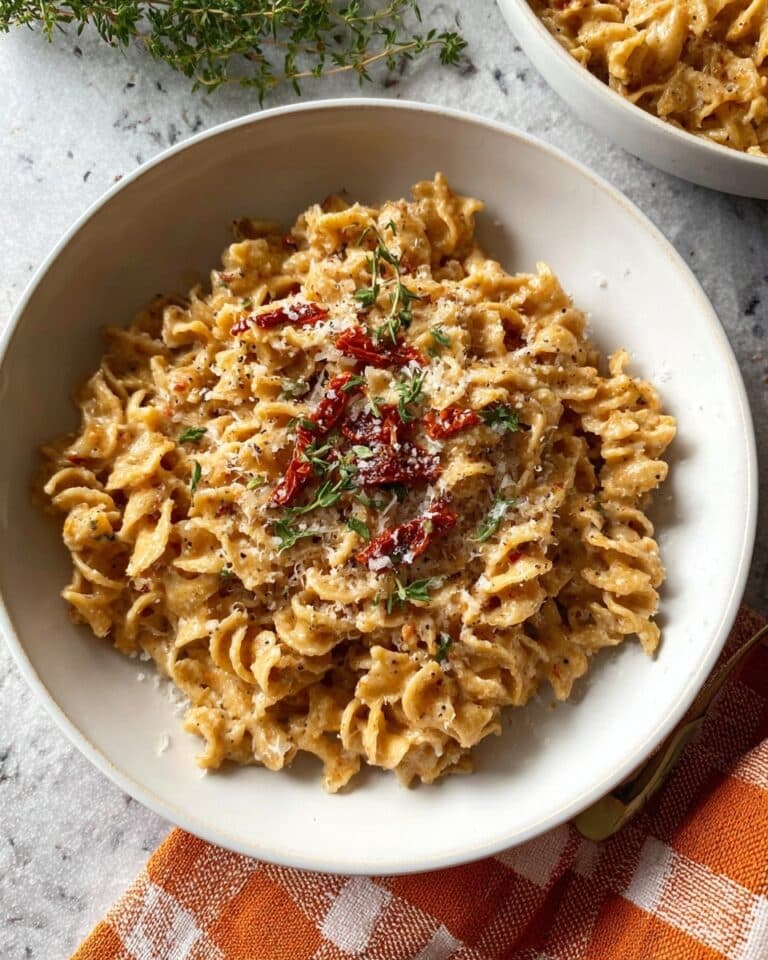
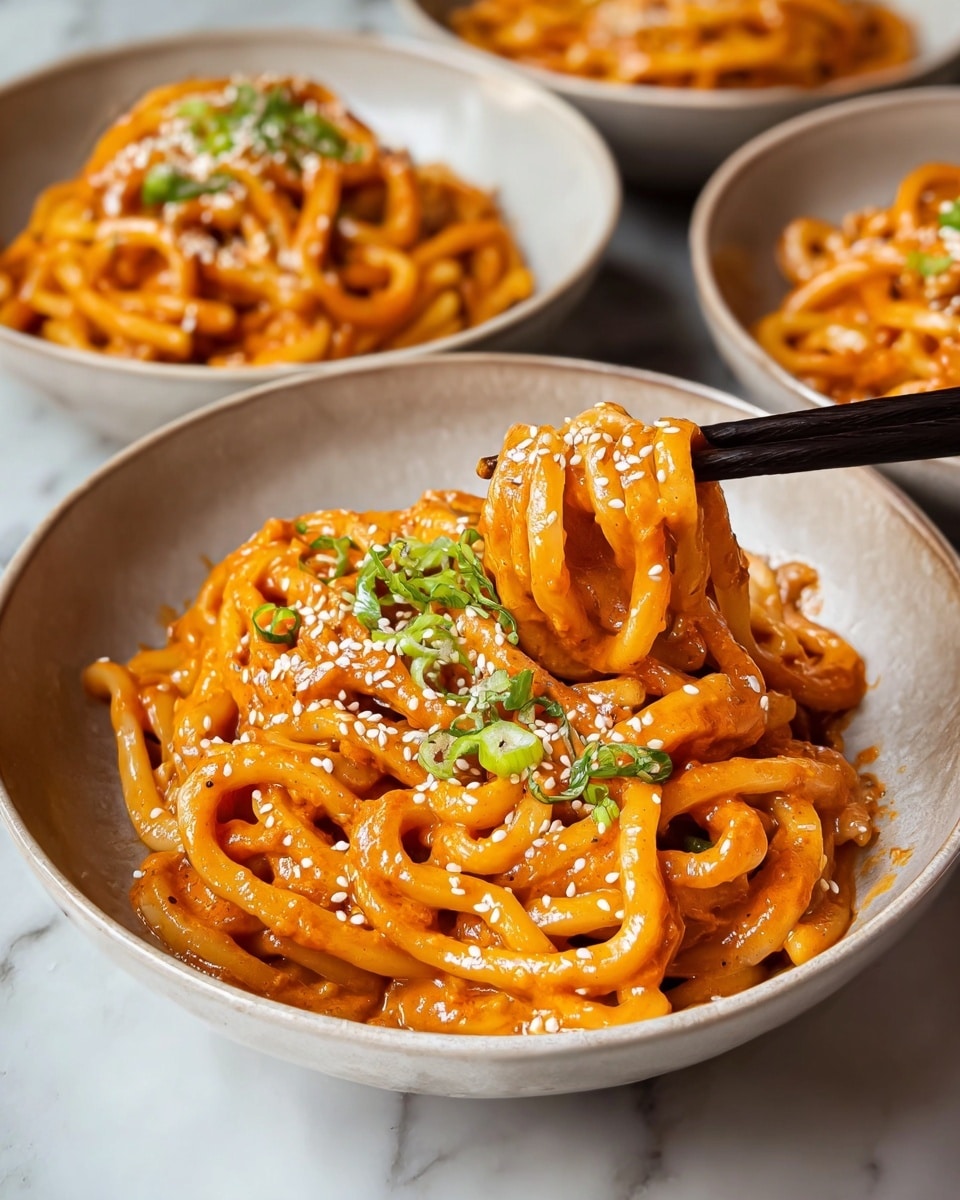
Picture this: The moment you lift your fork, the creamy, spicy sauce clings lovingly to each thick, chewy udon noodle. The rich aroma of garlic and butter floats through your kitchen, mingling perfectly with the tantalizing heat of gochujang. This dish is like a warm hug in a bowl, effortlessly combining comfort, spice, and a touch of indulgence. Whether you’re craving a quick weeknight dinner or an impressive meal to wow family and friends, this recipe promises all that and more — all ready in just 20 minutes!
Why You’ll Love This Creamy Gochujang Udon Noodles for a Spicy Comfort Feast Recipe
- Ready in 20 minutes: From pantry to plate faster than you can pick up takeout, but way more satisfying.
- Uses simple ingredients: No need for exotic spices or hard-to-find items — just a handful of pantry staples and fresh aromatics.
- Perfect for beginners: Minimal fuss and straightforward steps make this a go-to recipe for any skill level.
- Impressive presentation: Garnished with vibrant green onions and parmesan, it looks like you spent hours in the kitchen.
- Customizable: Easily adjust the heat or swap ingredients for dairy-free, gluten-free, or vegan options without losing flavor.
Why This Creamy Gochujang Udon Noodles for a Spicy Comfort Feast Recipe Works
This recipe shines thanks to a trio of magic-makers. First, using udon noodles ensures a satisfying chewy texture that holds the creamy sauce beautifully. Then there’s the umami-rich gochujang, which adds a spicy-sweet depth that lingers delightfully on the palate. Finally, the slow simmering of heavy cream with reserved noodle water creates a luscious, silky sauce that perfectly clings to every strand. These techniques come together to make a dish that’s balanced, comforting, and unforgettable.
Ingredients You’ll Need
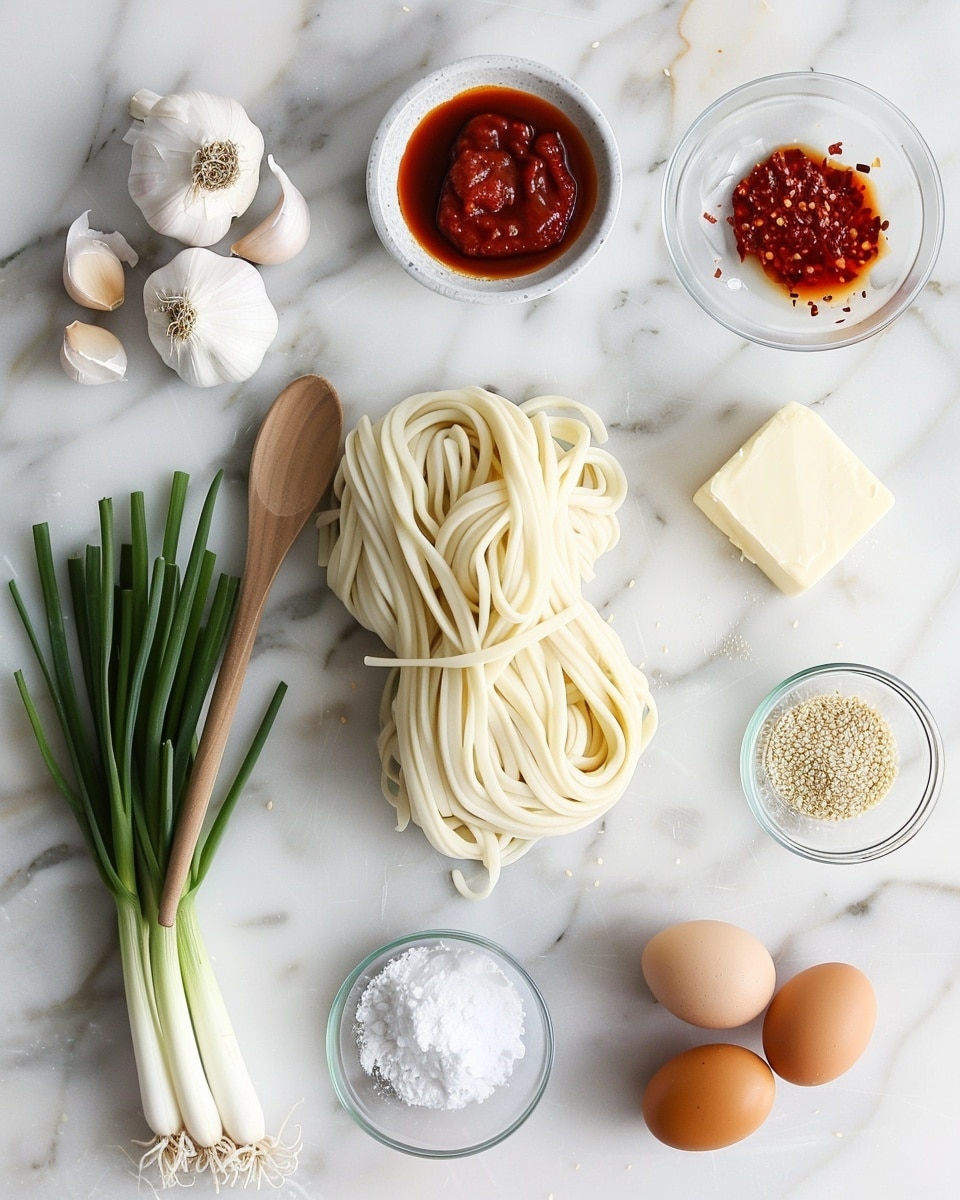
Gathering these simple but essential ingredients sets the stage for your spicy comfort feast. Each one plays a crucial role in achieving that creamy, bold flavor.
- 16 ounces Udon Noodles: Thick, chewy noodles that soak up the sauce wonderfully.
- 2 tablespoons Gochujang: Korean chili paste that brings heat and subtle sweetness.
- 2 tablespoons Butter: Adds richness and helps soften the aromatics.
- 3 cloves Garlic: Fresh and minced, garlic provides a fragrant base.
- 2 medium Shallots: Mildly sweet and delicate, perfect when sautéed.
- 1 cup Heavy Cream: Creates the luscious, creamy sauce.
- 2 tablespoons Soy Sauce: Adds savory depth and saltiness.
- 1 teaspoon Gochugaru: Korean chili flakes for an extra kick, optional but recommended.
- 1/2 cup Parmesan Cheese: Melts into the sauce, adding nutty richness.
- 2 stalks Green Onion: Fresh garnish to brighten every bite.
Ingredient Substitutions & Tips
- Udon Noodles: Fresh lo mein or other thick Asian noodles work well as alternatives.
- Gochujang: If unavailable, mix red chili paste with a pinch of sugar and a splash of soy sauce.
- Butter: Use olive oil for a dairy-free version that still delivers great flavor.
- Heavy Cream: Coconut cream is an excellent vegan substitute with a rich texture.
👨🍳 Pro Tips for Perfect Results
- Cook noodles just right: Avoid overcooking udon; they should be firm for the best texture.
- Reserve noodle water: The starchy water helps your sauce cling beautifully to the noodles.
- Sauté aromatics gently: Keep garlic and shallots over medium heat to avoid burning and bitterness.
- Simmer sauce slowly: Let the heavy cream thicken naturally for a velvety finish.
- Adjust spice: Add gochugaru gradually to control the heat level according to your taste.
How to Make Creamy Gochujang Udon Noodles for a Spicy Comfort Feast Recipe
Step 1: Cook Udon Noodles
Start by boiling a large pot of salted water and cooking the udon noodles according to the package instructions. Once tender but still pleasantly chewy, reserve half a cup of the starchy cooking water before draining and rinsing the noodles under cold water. This stops the cooking process and prevents the noodles from becoming mushy.
💡 Pro Tip: Don’t skip rinsing! It keeps the noodles from sticking and makes tossing them with the sauce much easier.
Step 2: Sauté Garlic and Shallots
In a large pan over medium heat, melt the butter. Add the minced garlic and finely chopped shallots, stirring gently until fragrant and softened — about 2 to 3 minutes. This aromatic base sets the tone for the entire dish, offering a subtle sweetness and warmth.
💡 Pro Tip: Keep the heat moderate to avoid burning the garlic, which turns bitter quickly.
Step 3: Introduce Gochujang
Mix in the gochujang and cook for 30 seconds, stirring constantly. This releases its smoky, spicy aroma and infuses the butter mixture with vibrant flavor. Your kitchen will begin to smell irresistibly inviting.
💡 Pro Tip: Use a wooden spoon to scrape the pan’s bottom gently to incorporate every bit of flavorful residue.
Step 4: Create the Creamy Sauce
Gradually whisk in the heavy cream and reserved noodle water. Stir in soy sauce and optional gochugaru, then lower the heat to let everything simmer gently. Allow the sauce to thicken for about 3 to 4 minutes while stirring frequently, ensuring it becomes smooth and luscious.
💡 Pro Tip: If your sauce seems too thick, add a splash more noodle water for the perfect consistency.
Step 5: Combine Noodles and Sauce
Transfer the cooled udon noodles to the pan and toss them in the velvety sauce until fully coated and warmed through. The noodles should be glossy, rich, and blanketed in spicy creaminess.
💡 Pro Tip: Use tongs for an even toss and better control over coating every strand beautifully.
Step 6: Finish with Cheese and Garnish
Sprinkle grated parmesan cheese over the noodles and toss lightly to combine. Serve hot with a garnish of chopped green onion and, if you’re feeling indulgent, a runny egg yolk that oozes extra richness with each bite.
💡 Pro Tip: Adding the egg yolk transforms this comfort food into a decadent, restaurant-quality experience.
Common Mistakes to Avoid
Learn from these common pitfalls:
- Overcooking noodles: This leads to soggy texture that won’t hold the sauce well.
- Burning garlic: Using too high heat results in bitterness that can overpower the dish.
- Skipping reserved noodle water: You’re missing out on the silky sauce-binding magic.
- Adding too much gochujang at once: It can make the dish overly spicy and mask other flavors.
- Not simmering sauce enough: A rushed sauce can be thin and lack creaminess.
- Using low-quality noodles: Fresh or good-quality udon really make a difference.
Delicious Variations to Try
Once you’ve mastered the classic version:
Veggie Boost
Toss in sautéed mushrooms, bell peppers, or baby spinach for an earthy, nutritious twist that adds great texture and color.
Protein Power
Top your noodles with grilled chicken, seared tofu, or shrimp for a heartier meal that still embraces the spicy creaminess.
Vegan Version
Swap butter for olive oil, heavy cream for coconut cream, and parmesan for nutritional yeast for a plant-based, equally delicious indulgence.
Extra Heat
Double the gochujang and sprinkle more gochugaru for those who crave a fiery kick with every bite.
Crunchy Toppings
Add toasted sesame seeds, crushed peanuts, or crispy fried shallots for satisfying crunch and extra flavor layers.
How to Serve Creamy Gochujang Udon Noodles for a Spicy Comfort Feast Recipe
Garnishes
Chopped green onions bring freshness and pop of color, while grated parmesan adds a nutty umami finish. A soft or runny egg yolk adds silkiness, and a sprinkle of toasted sesame seeds adds an earthy crunch.
Side Dishes
Pair with a crisp cucumber salad, pickled radish, or steamed bok choy to balance the richness and spice of the noodles. Miso soup makes a inviting starter for a full Korean-inspired feast.
Creative Ways to Present
Serve in shallow bowls to showcase the creamy sauce, layered with bright garnishes on top for visual appeal. For gatherings, offer extra toppings like chili flakes, fresh herbs, and lime wedges so guests can customize their plates.
Make Ahead and Storage
Storing Leftovers
Keep any leftovers in an airtight container in the refrigerator for up to 2 days. Store noodles and sauce together to maintain flavor and texture.
Freezing
This dish is best enjoyed fresh, but you can freeze the sauce separately for up to 1 month. Reheat gently and toss with freshly cooked noodles when ready to serve.
Reheating
Warm gently in a pan over low heat, adding a splash of water or cream to revive the sauce’s creaminess. Avoid microwaving, which can alter texture.
FAQs
Can I use other noodles instead of udon?
Absolutely! Thick wheat noodles like lo mein or even linguine can work if you don’t have udon on hand.
How spicy is this recipe?
The heat level is moderate but can be adjusted easily by increasing or reducing the gochujang and gochugaru.
Is this recipe dairy-free?
Not as written, but you can substitute butter with olive oil and heavy cream with coconut cream for a dairy-free alternative.
Can I make this recipe vegan?
Yes! Use olive oil, coconut cream, and replace parmesan with nutritional yeast or a vegan cheese substitute.
What can I add for extra protein?
Grilled chicken, tofu, shrimp, or even a soft-boiled egg complements this dish beautifully.
Why do I need to reserve noodle water?
The starchy water helps thicken the sauce and makes it stick to the noodles, resulting in a silky, cohesive dish.
Can I make this ahead?
You can prepare the sauce beforehand, but toss with freshly cooked noodles for best texture and flavor on serving.
How do I store leftovers?
Store in an airtight container in the refrigerator for up to 2 days. Reheat gently on the stove with extra liquid if needed.
Final Thoughts
This Creamy Gochujang Udon Noodles for a Spicy Comfort Feast Recipe quickly becomes a beloved staple thanks to its perfect harmony of spicy heat, creamy richness, and chewy noodle satisfaction. It’s the kind of meal that comforts your soul while exciting your taste buds, ideal for cozy nights or casual entertaining. The beauty of this dish is how effortlessly you can dress it up or tailor it to each craving or dietary need without sacrificing flavor.
Have you tried this Creamy Gochujang Udon Noodles for a Spicy Comfort Feast Recipe? I’d love to hear how it turned out! Leave a comment below. If you loved this recipe, please share it with friends and family. Happy cooking! 🍜
PrintCreamy Gochujang Udon Noodles for a Spicy Comfort Feast Recipe
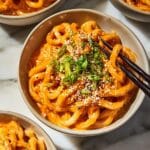
A creamy and spicy Korean-inspired udon noodle dish featuring gochujang chili paste, butter, garlic, and shallots simmered in heavy cream. This comforting recipe balances the heat of gochujang with rich parmesan cheese and savory soy sauce, perfect for a quick and satisfying meal.
- Prep Time: 5 minutes
- Cook Time: 15 minutes
- Total Time: 20 minutes
- Yield: 4 servings 1x
- Category: Main Course
- Method: Stovetop
- Cuisine: Korean Fusion
Ingredients
Main Ingredients
- 16 ounces Udon Noodles (fresh or other thick noodles can be substituted)
- 2 tablespoons Gochujang (Korean red chili paste, or a mix of red chili paste and sugar)
- 2 tablespoons Butter (olive oil for dairy-free alternative)
- 3 cloves Garlic, minced
- 2 medium Shallots, chopped (substitute with red onion if necessary)
- 1 cup Heavy Cream (coconut cream for dairy-free alternative)
- 2 tablespoons Soy Sauce (tamari for gluten-free)
- 1 teaspoon Gochugaru (optional, Korean chili flakes)
- 1/2 cup Parmesan Cheese (nutritional yeast for vegan substitute)
- 2 stalks Green Onion, chopped (for garnish)
- Optional: Runny egg yolk (for serving)
Instructions
- Cook the noodles: Prepare the udon noodles according to the package instructions. Once cooked, reserve ½ cup of the noodle water, then drain and rinse the noodles under cold water to stop the cooking process and prevent sticking.
- Sauté aromatics: In a pan over medium heat, melt the butter. Add minced garlic and chopped shallots, and sauté for about 2-3 minutes until fragrant and softened, creating a flavorful base.
- Add gochujang: Stir in the gochujang paste and cook for approximately 30 seconds. This releases the chili’s aroma and blends it with the aromatics.
- Create the creamy sauce: Gradually whisk in the heavy cream and the reserved noodle water to loosen the sauce. Add soy sauce and optional gochugaru for extra heat, then bring the mixture to a gentle simmer. Allow it to thicken over 3-4 minutes while stirring occasionally.
- Toss noodles in sauce: Add the cooked udon noodles to the pan and toss thoroughly to coat evenly. Heat through until the noodles are warm and fully infused with the creamy spicy sauce.
- Serve and garnish: Plate the noodles and top with grated parmesan cheese, chopped green onions, and a runny egg yolk if desired for added richness and texture.
Notes
- For a dairy-free version, substitute butter with olive oil and heavy cream with coconut cream.
- To make it gluten-free, use tamari instead of soy sauce and confirm that udon noodles are gluten-free or substitute with rice noodles.
- Gochugaru is optional but recommended for additional authentic Korean chili flavor and heat.
- Runny egg yolk adds richness but can be omitted for a vegan or egg-free dish.
- Adjust the amount of gochujang to control spiciness according to your preference.
Keywords: gochujang udon, creamy spicy noodles, Korean noodles, comfort food, quick dinner, spicy udon recipe